
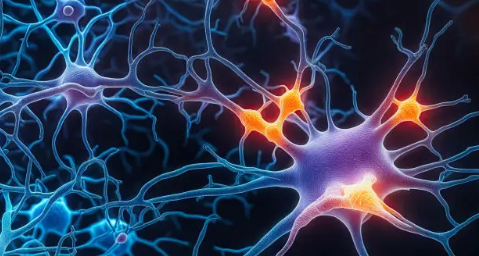
Within the microscopic realm of biology, all physiological operations—from myocardial contraction and immunological surveillance to DNA double-strand break repair—require a universal energy currency: Adenosine Triphosphate (ATP). The mitochondria, functioning as the cellular powerhouses that manufacture ATP, rely heavily on an essential coenzyme: Nicotinamide Adenine Dinucleotide (NAD+). Regrettably, intracellular NAD+ levels decline sharply as humans age; by age 50, concentrations are typically reduced to half of youthful levels, leading to mitochondrial decay and systemic senescence.
NMN: The Highly Efficient Precursor via the Salvage Pathway
To address cellular aging, geroprotective science has focused on identifying the most effective methods to restore NAD+. Because the NAD+ molecule is too large to pass directly through cell membranes, researchers have turned to β-Nicotinamide Mononucleotide (NMN, CAS 1094-61-7) as the optimal precursor.
In human tissues, NAD+ homeostasis is maintained primarily via the Nicotinamide Salvage Pathway:
- Rapid Transmembrane Transport: NMN is actively transported across cell membranes via specific transporters (such as the Slc12a8 protein) with high efficiency.
- Direct, Single-Step Conversion: Once inside the cytoplasm, NMN is converted directly into NAD+ in a single enzymatic step catalyzed by Nicotinamide Mononucleotide Adenylyltransferase (NMNAT). This highly direct pathway makes NMN far more efficient at boosting NAD+ levels than traditional precursors like Nicotinamide (NAM) or Nicotinic Acid (NA), bypassing multiple enzymatic rate-limiting steps and avoiding unwanted metabolite buildup.
Reactivating Sirtuins and Reversing Mitochondrial Decay
Restoring intracellular NAD+ pools provides the essential redox cofactor required for mitochondrial respiration, while also activating the sirtuin family of deacetylases (Sirt1-Sirt7, often referred to as “longevity genes”) and DNA repair enzymes like PARPs. This pathway promotes mitochondrial biogenesis and enhances the repair of age-related genomic damage, restoring cellular vitality.
Boweixin Biotech’s premium NMN features chemical purity exceeding 99.5%, with high β-isomer stereochemical purity. We avoid low-cost, fully synthetic chemical pathways in favor of a state-of-the-art fully enzymatic synthesis process that replicates natural biochemical pathways. This guarantees an API free of toxic chemical solvent residues, providing dietary supplement manufacturers worldwide with a clean, stable, and highly bioavailable NAD+ precursor.