Product Introduction
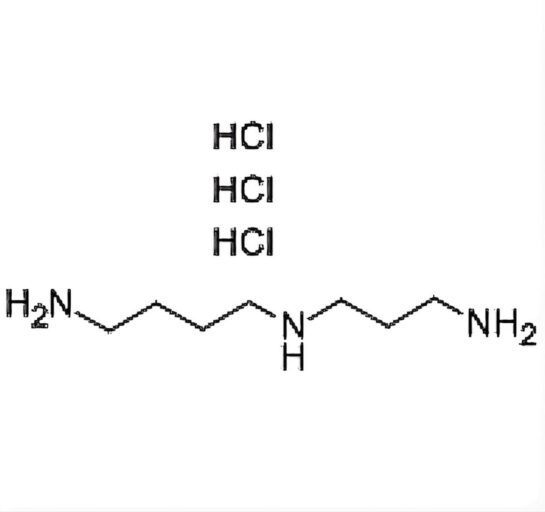
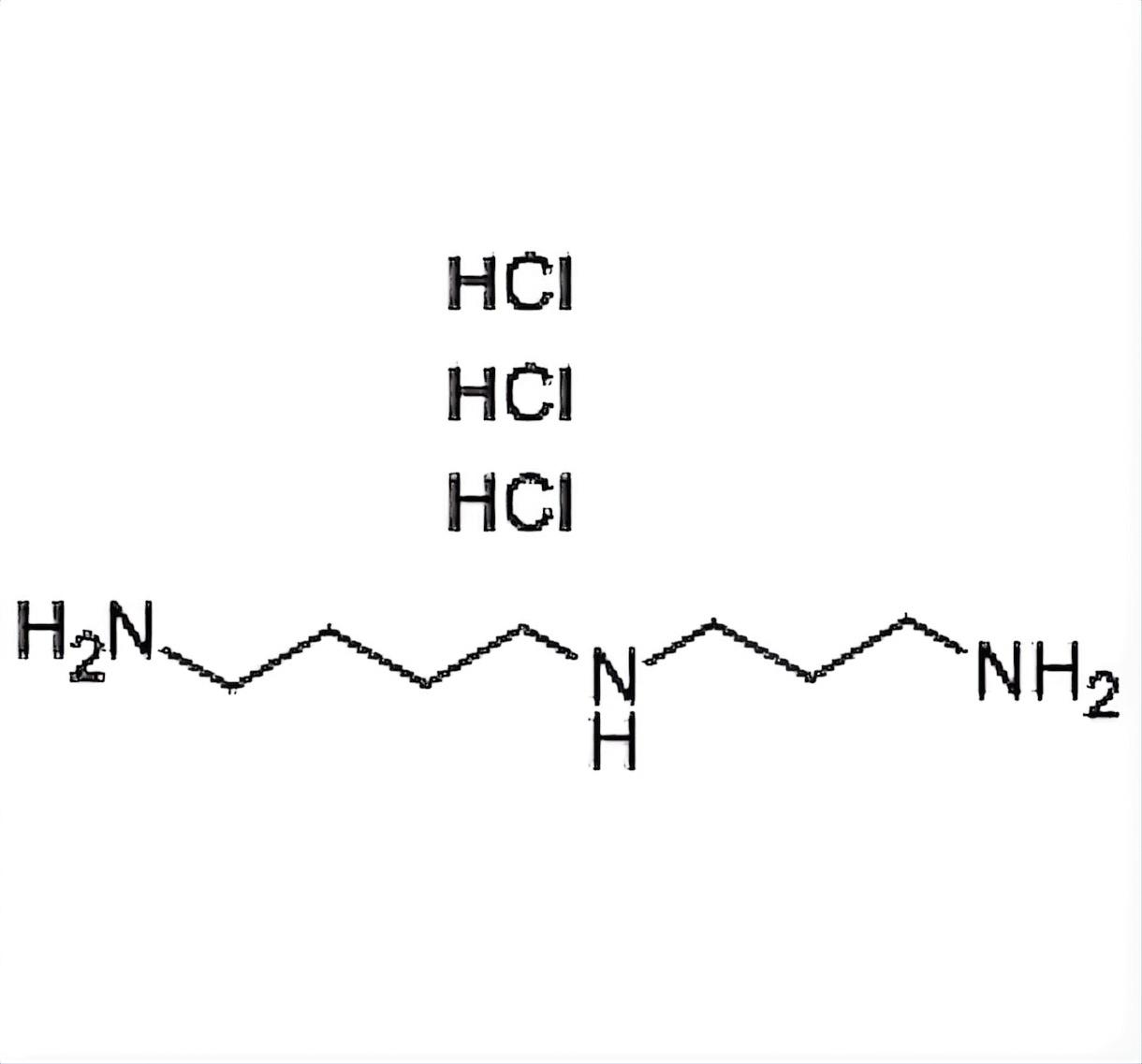
Spermidine hydrochloride (CAS: 334-50-9) acts as a specialized bioactive ingredient “for research-related use” in topical formulation studies. This material fits perfectly into scalp-conditioning serums, hair-revitalizing lotions, and barrier-support creams. Technically, it features outstanding water solubility, dissolving rapidly in the aqueous phase, and maintains structural integrity during heating up to 60°C. It exhibits excellent compatibility with non-ionic emulsifiers, meaning it won’t compromise the stability or viscosity of the final emulsion. This makes the compound highly reliable “for formulation evaluation” across various cosmetic systems. Buyers should confirm local regulatory requirements before purchase.
CAS:334-50-9
Melting point: 226–230°C
Appearance: White to off-white crystalline powder, readily soluble in water
Packaging: 1 kg per pack, 25 kg per barrel (customizable as needed)
Storage conditions: Store in a sealed, dry, cool, and well-ventilated area, away from direct sunlight and high temperatures. Keep away from sources of ignition and oxidizers, and protect against moisture and agglomeration.
Product Characteristics
- Superior Physical & Chemical Stability: Hydrochloride salification dramatically boosts spermidine’s thermal and oxidative stability. It exhibits an excellent shelf life under dry, ambient conditions, overcoming the liquifying and degrading flaws of the free base.
- Excellent Water Solubility: It dissolves rapidly and completely in water and various physiological buffers, greatly simplifying formulation development and experimental protocols.
- High Purity & Uniformity: Industrial and research-grade batches present as a pristine, free-flowing white crystalline powder with minimal impurities, guaranteeing consistent bioactivity and safety.
- High Bioavailability: This salt form easily passes through cell membrane transporters, allowing cells to efficiently absorb and utilize it to boost intracellular polyamine levels.
Product Uses
- Triggers Cellular Autophagy: It stands as one of the most potent endogenous autophagy inducers known. It prompts cells to actively clear damaged organelles, misfolded proteins, and metabolic waste, achieving cellular-level self-renewal.
- Combats Systemic Aging: It mimics the biological benefits of caloric restriction, shields DNA from oxidative damage, and helps maintain telomere length, thereby delaying tissue and organ degeneration.
- Stimulates Hair Follicle Regeneration: It actively prolongs the hair follicle’s growth phase (anagen), inhibits the regression phase (catagen), and stimulates keratin expression to fight hair loss and promote hair growth.
- Supports Cardiovascular & Cognitive Health: It serves as a powerful guardian of mitochondrial function. It improves arterial elasticity, reduces atherosclerosis risks, protects neurons, and delays age-related cognitive decline.
Application Scenarios
- Longevity brands utilize Spermidine HCl as a flagship active ingredient to formulate oral anti-aging capsules, tablets, or powders. Formulators often stack it with NMN, Ergothioneine, Coenzyme Q10, or Resveratrol to create multi-pathway, synergistic cellular anti-aging solutions.
- Cosmetic chemists incorporate it into luxury face creams, youth-activating serums, and repairing lotions. It penetrates the skin barrier to trigger autophagy in dermal cells, boosting collagen synthesis, repairing UV-induced damage, and restoring skin firmness and elasticity.
- Hair-tech brands formulate Spermidine HCl into premium hair-growth tonics, scalp treatment serums, and anti-hair loss shampoos. It directly targets hair follicles to reverse shrinking, helping individuals with thinning hair rebuild a healthy scalp ecology and dense hair.
- Basic medicine, cell biology, and pharmacology laboratories employ it as a standard reference reagent. Researchers rely on it to induce cellular autophagy models, investigate longevity mechanisms, study the prevention of neurodegenerative diseases (like Alzheimer’s), and explore immune system regulation.